
Saragossa You can boast many things: it has an accent that does not go unnoticed, a character that brings the stubbornness and a way of receiving its visitors that encourages and hooks. Here the holidays are lived and the history and the plans are in every corner of the Aragonese capital. Who comes, repeats. And who has not been, does not know what is lost.
And if you are looking for what a weekend in Zaragoza, the difficult thing will be to choose. The city offers so many corners, flavors and experiences that two days fall short. From artist museums like Francisco de Goya Even walks along the Ebro ban, going through tapas in The tube, Mudejar art and architecture or cultural routes among cathedrals, this is the ideal place for those looking for weekend plans in Zaragoza that combine history, gastronomy and outdoor.
Whether you are from here and you want to rediscover the city as if you come from outside, here are a complete guide with plans for a Saturday or a Sunday in Zaragoza. A mixture of unique monuments, natural spaces, museums with your own art and bars with a lot of life that will help you decide what a Saturday in Zaragoza or how to make the most of a good Sunday in Zaragoza.
Visit the Cathedrals of Zaragoza
Visit the Aljafía Palace
Tour the museums of Zaragoza
Visit the Cathedrals of Zaragoza
Basilica del Pilar
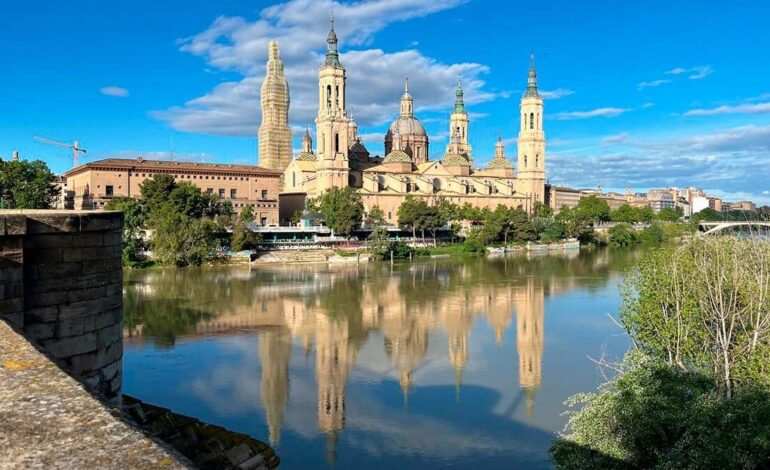
The imposing basilica of Pilar is one of the most visited Marian sanctuaries in the Catholic world, and a true baroque icon in Spain. Built between the seventeenth and eighteenth centuries and crowned by eleven glazed domes and four towers that reach 98m high, this architectural jewel preserves an ancient tradition: the old Pilar de Jaspe that, according to the legend, was placed by the Virgin Mary before the apostle Santiago.
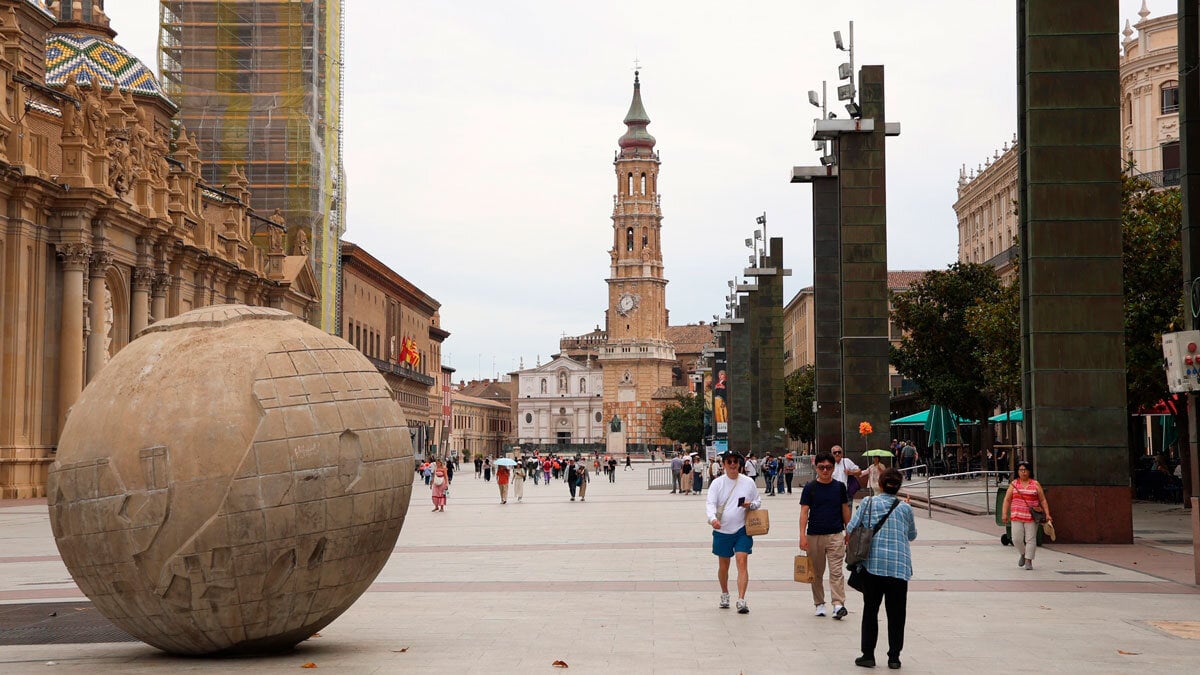
The visit to the Pilar is forced
Although the entrance to the temple is free, it is worth making a complete guided tour (it includes access to the Pilarista Museum and the Mirador Tower) for about 10 adult, 7 -year older or 9 -year older, an experience that allows you to discover fresh from Goya, liturgical goldsmith and centuries of art and faith.
In addition, you can not go without buying in the official store the bracelet -old pillar, a symbolic memory that costs only a 1euro, and that many visitors carry as a bracelet, amulet or memory.
You can also go up to the Mirador Tower, open from Monday to Thursday from 10.30 a.m. to 2:30 p.m. and from 4:00 p.m. to 8:00 p.m. and from Friday to Sunday from 10:00 a.m. to 8:00 p.m.. The groups are 20 people every 15 minutes. Through a panoramic elevator in the tower of San Francisco de Borja: by barely 4euros you can enjoy a climb at about 62m, after spending a brief staircase and reaching a glazed viewpoint about 80m high. The views of the roofs, the Ebro and the city are unforgettable.
SEO
The Savior Cathedral, popularly known as SEO, is one of Zaragoza’s most emblematic architectural jewels. Raised on the old Roman forum and the major mosque, it is an authentic mix of styles: Romanesque, Gothic, Mudejar, Renaissance and Baroque coexist in a temple declared a World Heritage Site and recognized by its impressive Mudejar Cimborrio and its neoclassical baroque facade.
Among its treasures, the main altarpiece, a masterpiece of the flaming Gothic carved between 1434 and 1480, and the museum of tapestries, with exceptional pieces from the fifteenth to seventeenth to seventeenth centuries from Brussels, Arrás or Tournai, considered one of the most important collections in the world.
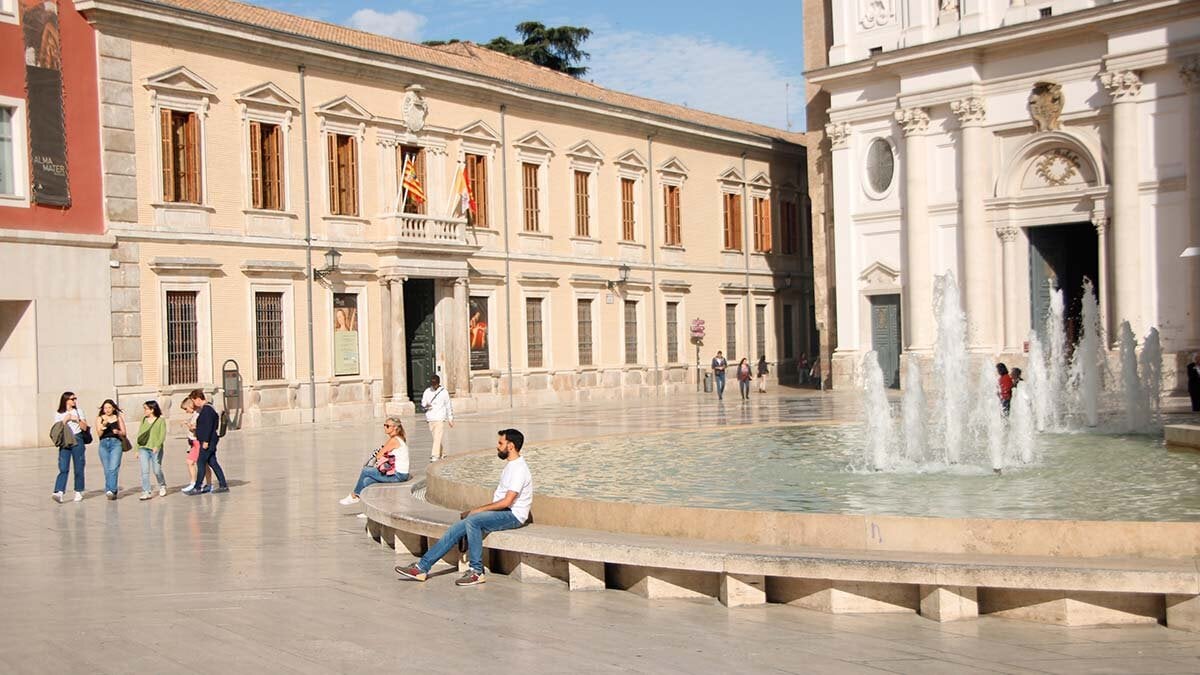
The SEO, one of Zaragoza’s most emblematic architectural jewels
The SEO is open from Monday to Saturday from 10 am to 14.30 and from 4 pm to 20.00 and Sundays from 10.00 to 12.00 and from 4:00 p.m. to 8:00 p.m. The last access is 45 minutes before closing.
Visit the Aljafía Palace
The Aljafía Palace is one of the essential visits if you are looking for what to see in Zaragoza. Built between the centuriesx and twelfth by the Hudi kings of the Taifa of Saraqusta as a palace of recreation, it stands out for being the best preserved Islamic palace in northern Spain and one of the greatest exponents of Mudejar art, recognized by UNESCO in 2001 as a heritage of humanity.
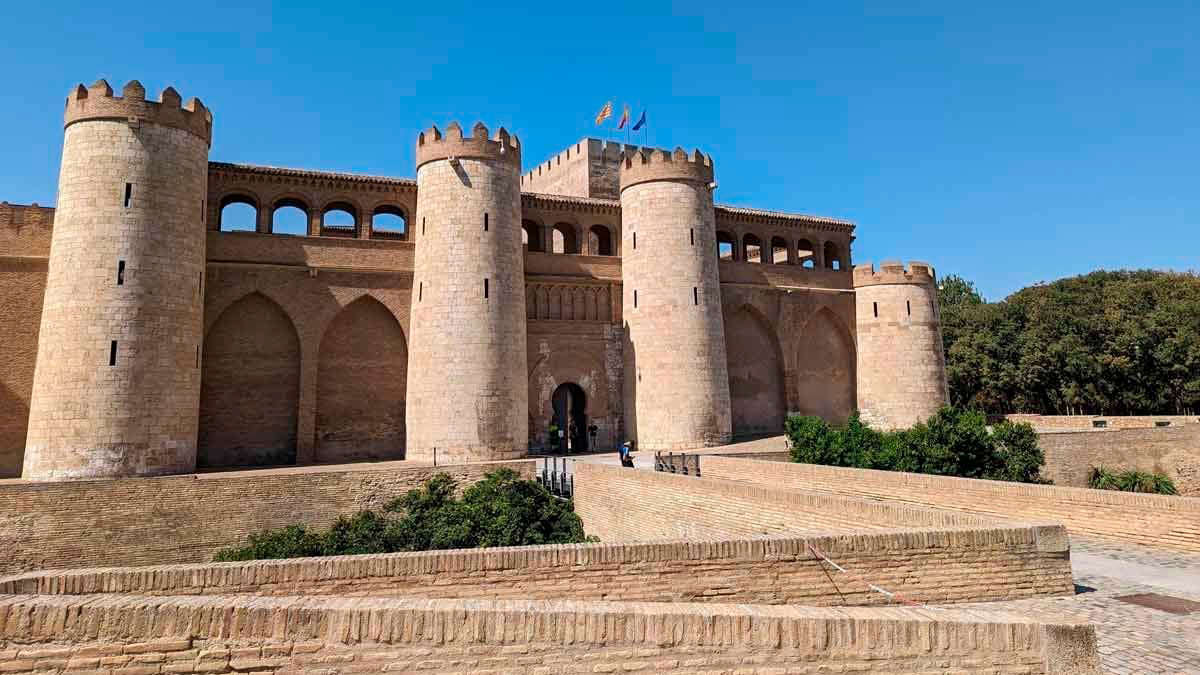
Aljafería is one of the essential visits if you are looking to see in Zaragoza
After the conquest in 1118, it was the residence of the kings of Aragon and later headquarters of the regional courts. The interior of the palace combines the patio of Santa Isabel, the Islamic oratory, the throne hall and the tower of the troubadour, inspiring of the Opera Il Trovatore, together with Gothic and Renaissance elements that reflect centuries of history.
The general entrance costs 5euros, with reduced 1euros rate for students, retirees and young people, and free access for children under 12, people with disabilities and unemployed; It is necessary to reserve online by time slot.
The Palace opens daily, from 10:00 a.m. to 2:00 p.m. and from 4:30 p.m. to 20:00 from October to October (and until 18:30 in winter), closing in the afternoon on Sundays and key holidays. You can make the tour of free or join the guided tour included, which lasts about an hour and allows you to know history, architecture and the current parliamentary hemicycle
Tour the museums of Zaragoza
Diocesan Museum of Zaragoza
The Alma Mater Museum, also known as the Diocesan Museum of Zaragoza, is located in the historic center, inside the Archbishopal Palace, next to the Plaza de la Seo and very close to the Basilica del Pilar. Its location is unbeatable: in front of the Museum of the Caesaraugusta Forum and the Cathedral, and with access from both the square and from the Paseo Echegaray and Caballero if you come from the Ebro bank.
Inside, the history of the Archdiocese of Zaragoza is traveled, with pieces dating from the 1st century A.D. and that come from parishes, temples and funds of the archbishopric itself. His works include the portrait of Archbishop Company, painted by Francisco de Goya in 1800, a real jewel that impresses with the masterful use of grays and blacks.
The museum is open every day from 10:00 a.m. to 2:00 p.m. and from 5:00 p.m. to 8:00 p.m. and on Sundays from 10 am to 2 pm except Monday, Visit Free: 3 euros and is free for diocesan priests, children up to 7 years and unemployed and guided tours with normal rate is 5 euros per person.
Goya Museum
The Goya Museum of Zaragoza is an essential visit for those who want to know in depth the Aragonese painter Francisco de Goya. Located in the Renaissance house of Jerónimo Cosida, in the historical center, this space houses more than 500 works of art, among which the series of original engravings of the painter stand out, such as the whims, the disasters of the war or the nonsense.
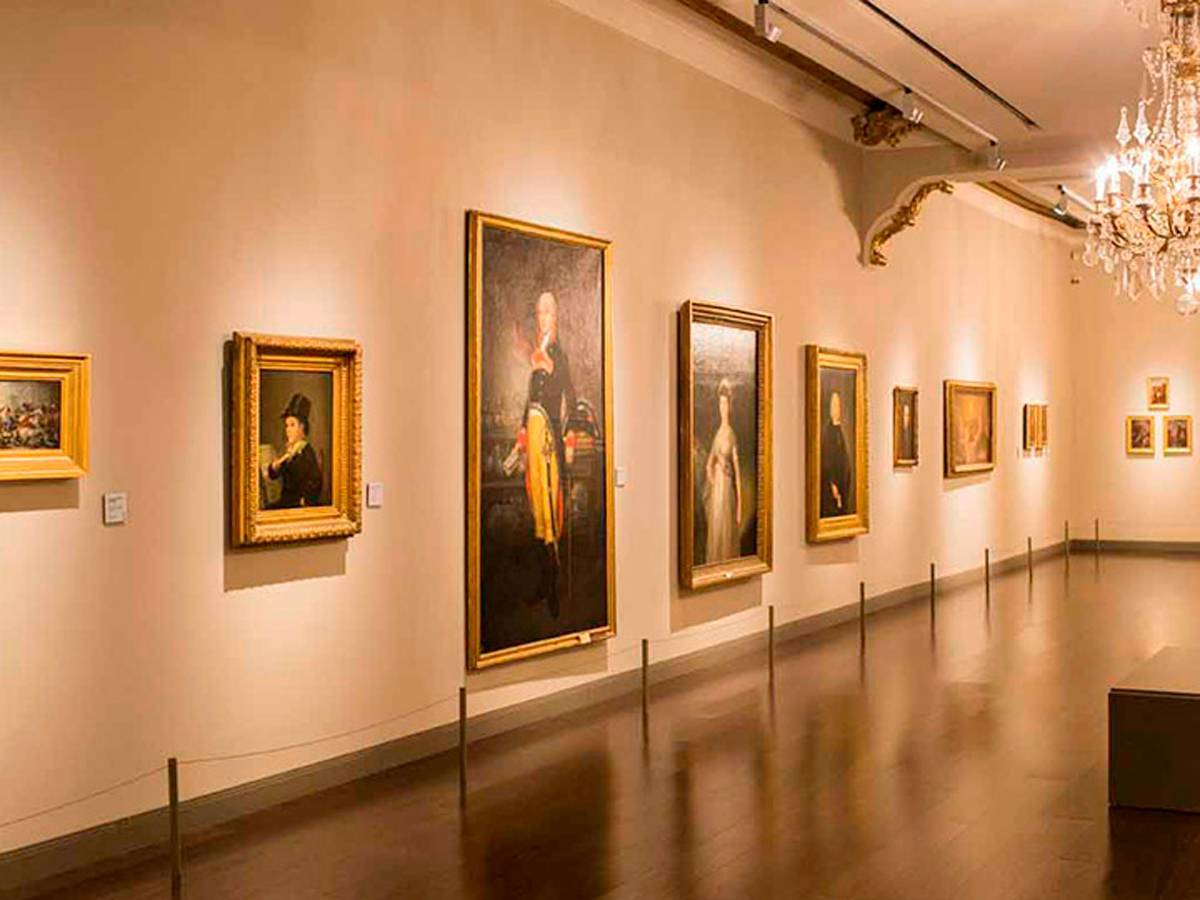
The Goya Museum of Zaragoza is an essential visit
It also exposes works by contexts, precursors and followers of Goya, which allows contextualizing its legacy and understanding its artistic evolution. Thanks to its careful museography and digital resources such as tablets and audioguías, it is one of the best places to deepen the figure of Goya and the history of art in Aragon.
The Goya Museum schedule in Zaragoza is from Tuesday to Saturday from 10:00 a.m. to 2:00 p.m. and from 4:00 p.m. to 8:00 p.m., and on Sundays and holidays from 10:00 a.m. to 2:00 p.m. Mondays remains closed.
Pablo Serrano Museum
The IAACC Pablo Serrano (Aragonese Institute of Contemporary Art and Culture Pablo Serrano), also known as Pablo Serrano Museum, is the main center of modern and contemporary art in Aragon and an essential visit in any guide what to see in Zaragoza. Inaugurated in 1994 and consolidated as IAACC in 1995, it occupies the former workshops of Hospicio Pignatelli, designed at the beginning of the 20th century and recovered through an ambitious rehabilitation of the architect José Manuel Pérez Latorre.
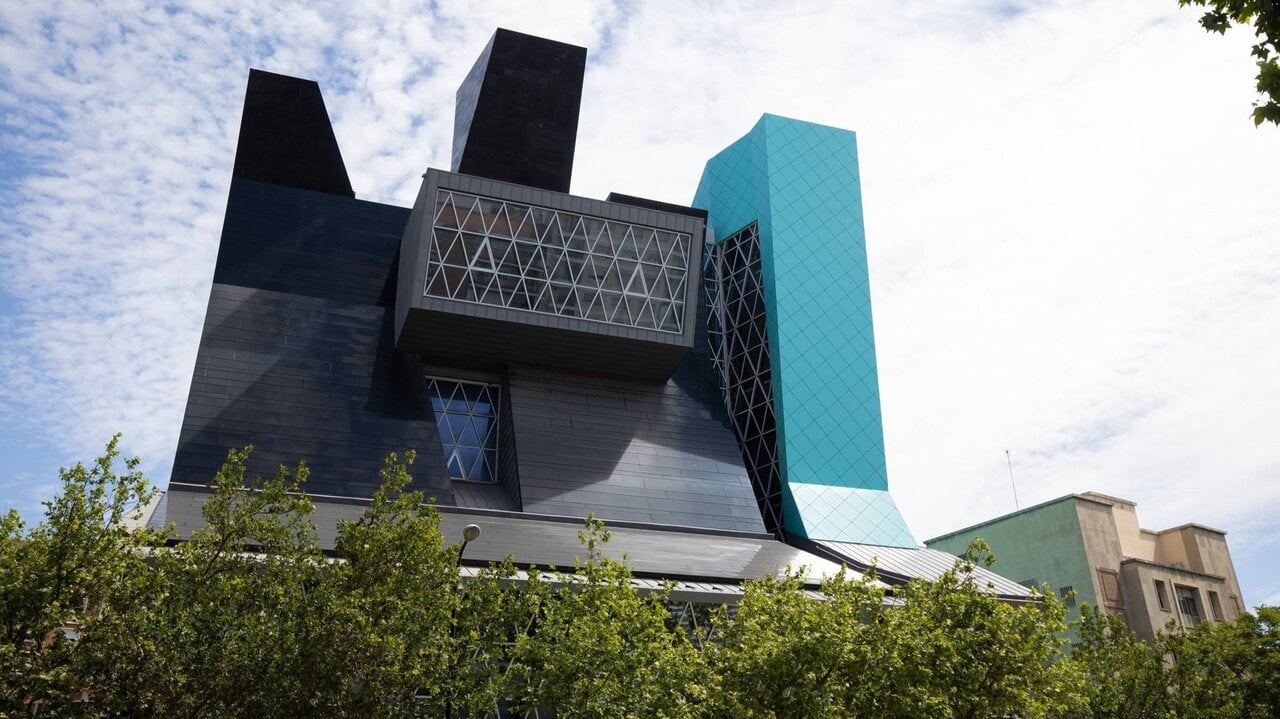
The IAACC Pablo Serrano stands out for its modernism
The permanent collection includes thousands of works, highlighting the work of the Aragonese sculptor Pablo Serrano (1908-1985): Expressionist, monumental sculptures, portraits and the famous units -andunta, which reflect their artistic evolution from the first avant -garde to abstract art and expressionism.
In addition, the Museum houses the prestigious Circa XX collection by Pilar Citoler, donated or acquired by the Aragon government in 2013. This collection includes more than 1200 pieces (1200–1241 works) of national and international contemporary art, with names such as Picasso, Miró, Henry Moore, Francis Bacon, among others.
The museum offers free admission, has a modern and spacious internal disposition and has a beautiful terrace overlooking the Pilar. The current schedule is from Tuesday to Saturday from 10 am to 2 pm and from 5 pm to 9 pm, and Sundays and holidays from 10 am to 2 pm; Mondays remains closed.
Go
The Zaragoza tube is the tapas area par excellence in the city, a lovely labyrinth of narrow streets such as Estébans, martyrs, freedom, August four, Cinegio, Ossau or Aragonese Blazon, all located in the heart of the historic center, very close to the Plaza del Pilar and the Plaza de España.
Here the tapas is not just a way of eating: it is an experience that combines the Aragonese tradition, good company and miniature flavor that converts each bite into a small explosion of culinary art.
Going tapas for the tube is a local ritual that has even conquered the prestigious The Times, which states that the gastronomic proposal is ridiculous to the overrated Barcelona. From croquettes loaded with Bechamel to mushrooms to the chop in the Champi – one of the most emblematic bars – through creative creations such as ham with chorreras, the innovative vinegrillo croquette or the unique montadito “Civil Guard”.
Each place has its specialty and its atmosphere: the informality of Doña Casta, the sophisticated atmosphere of El Méli of the tube or the UVE grill offers a perfect balance between flavor, tradition and innovation.
Tour the modern Zaragoza
Short route through the Water Park
Making a short route through the Luis Buñuel Water Park is a perfect option. This huge green space, located in the enclosure of the 2008 Expo Zaragoza, has become one of the favorite places to walk, do sports or simply disconnect a few minutes from the center. With more than 120 hectares of landscaped areas, channels, lakes and natural roads, the Water Park is one of the largest green lungs in the city.
An easy route through the Water Park can begin next to the Bridge of the Third Millennium, touring the navigable channel to the Botanical Garden area, through the winter gardens, the Ribera Forest and the Drunder area, where it is possible to rent canoes or hydropedals in season.
Visit the Expo Campus
The Water Park and the Expo enclosure offer much more than a walk between trees. This unique space in Zaragoza mixes nature and modernity, with walking routes, areas for running, outdoor exercise machines and a pedestrian catwalk.
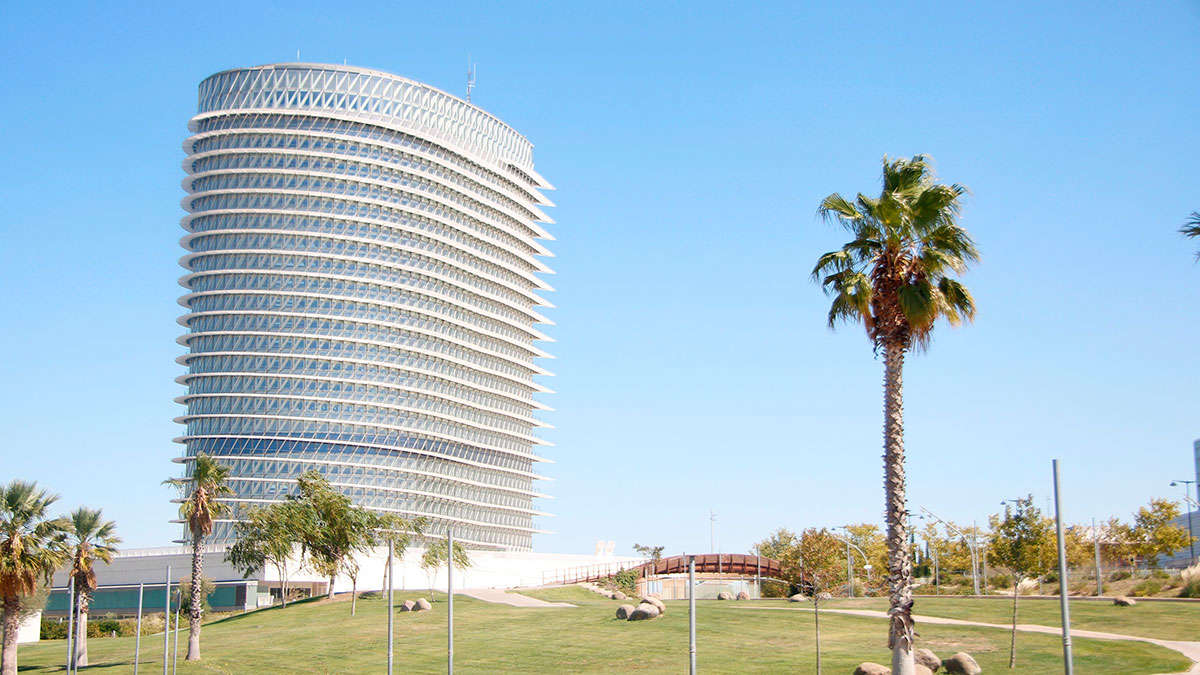
The Water Tower, seen from the Water Park
If you are interested in the recent history of the city, you can visit the legacy of the 2008 Expo, with emblematic buildings even in use or waiting for a new life, and discover the interpretive panels that explain what was the great international exhibition.
Among the plans to do in the Water Park you can also sit in the longest bank in the world, tour the most modern bridges in Zaragoza in just one kilometer, or enter the river aquarium, one of the largest in Europe. In addition, the environment is perfect to enjoy with the little ones, with games, large spaces and a safe atmosphere.
And if you like photography, contemporary architecture of the enclosure and the river views offer you unique images to share. You can even consult the program of the Palacio de Congresos and the Expo amphitheater, which host concerts and events throughout the year.
Visit the largest river aquarium
The Zaragoza Aquarium is one of the most surprising spaces you can visit in the city, especially if you are looking for family plans or you are interested in nature. Inaugurated in 2008 on the occasion of the International Water Expo, it is considered the largest river aquarium in Europe. Its route is organized around five great rivers on the planet, the Nile, the Mekong, the Amazon, the river Murray-Darling and the Ebro system, thus representing all the continents through their fresh water ecosystems.
In its more than 70 aquariums and aquaterials, it houses around 6,000 copies of more than 350 species, from tropical fish to reptiles, amphibians and aquatic mammals. The mission of the Zaragoza aquarium goes beyond entertainment: it seeks to protect biodiversity through environmental education, research, conservation and awareness.
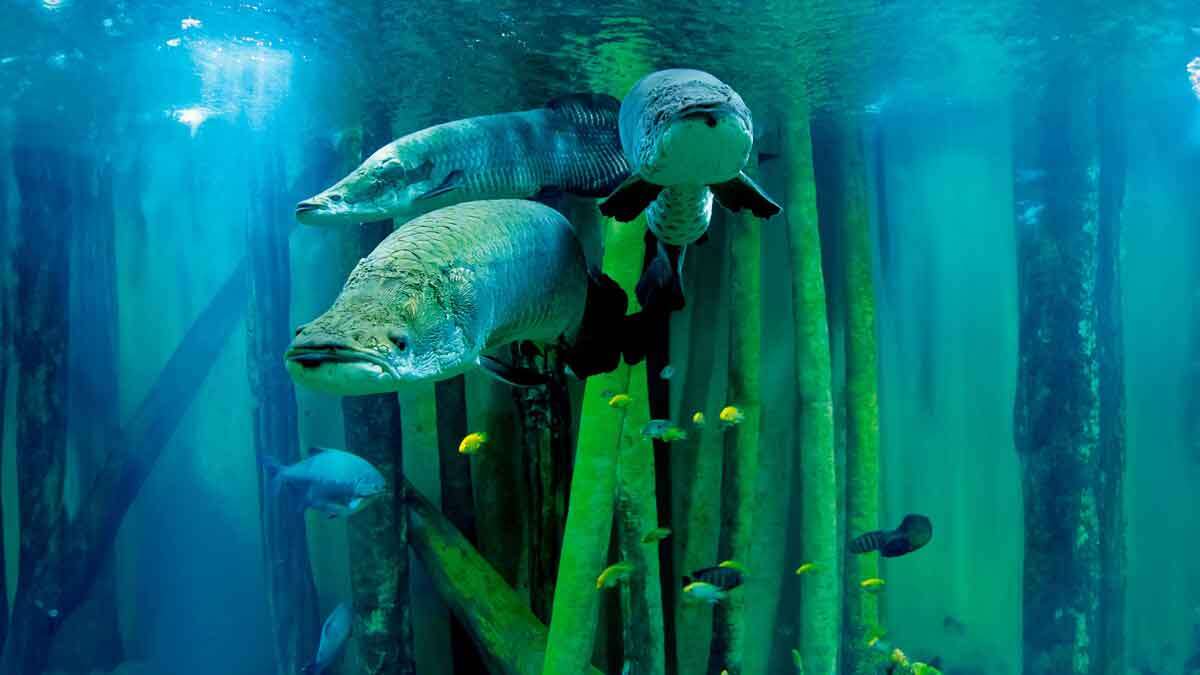
Zaragoza’s aquarium is one of the most surprising spaces
The opening schedule is as follows: on Tuesdays, Fridays, Saturdays and Sundays it opens from 10 am to 8 pm; Wednesdays and Thursdays, from 11 am to 7 pm; And on Mondays it remains closed.
Ticket prices vary according to age, purchase channel and if it is festive. Adult ticket costs 19 euros at the box office and 18 euros if acquired online. Children between 5 and 12 pay 13 euros at the box office and 12 euros online. For the little ones, children aged 3 to 4 have a reduced price of 7 euros at the box office and 6 euros online, while children under 3 years enter free. More information on the website of the Zaragoza Aquarium.